Understanding Agoraphobia
Overcoming the fear of fear — one step at a time
What is Agoraphobia?

Agoraphobia is a type of anxiety disorder where you avoid places or situations that might make you feel trapped, panicked, or helpless. For some, the fear becomes so intense that they stop leaving their homes entirely.
Common Triggers
Common environments that may provoke fear include public transport, crowded places, or open areas. The fear usually centers around not being able to escape or get help if panic sets in.
-
🚎 Public transportation
🏢 Enclosed spaces (elevators, malls)
🌳 Open areas (parking lots, bridges)
👥 Crowds or waiting in lines
🏠 Being alone outside home
🧠 Did You Know?
Agoraphobia affects about 1.7% of adults and typically begins between the ages of 18 and 35.
Symptoms to Watch For
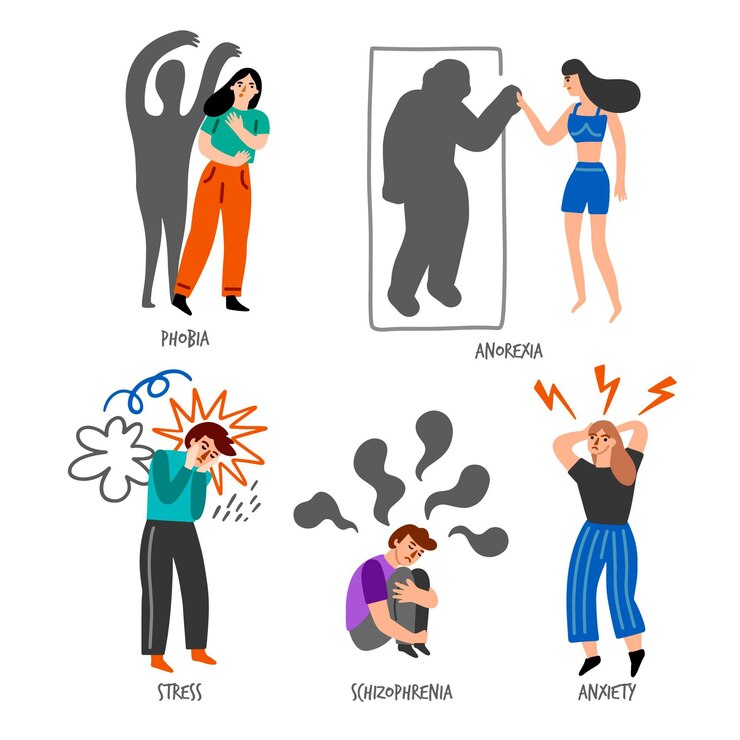
Besides panic attacks, symptoms may include dizziness, rapid heartbeat, shortness of breath, and a feeling of detachment or lack of control in public spaces.
Breaking the Cycle
Most people find relief through a combination of the following approaches:
🌀 Exposure Therapy: Gradual, controlled exposure to fears.
💊 Medication: SSRIs or anti-anxiety medication often complement therapy.
🌿 Self-Care Tip
Before facing a fear, try deep breathing or a 5-minute grounding meditation. Preparation makes a difference.
Real Stories
"I thought I'd never leave my apartment again. Therapy, support, and gradual exposure gave me my freedom back."
– Sam, USA
How It Feels
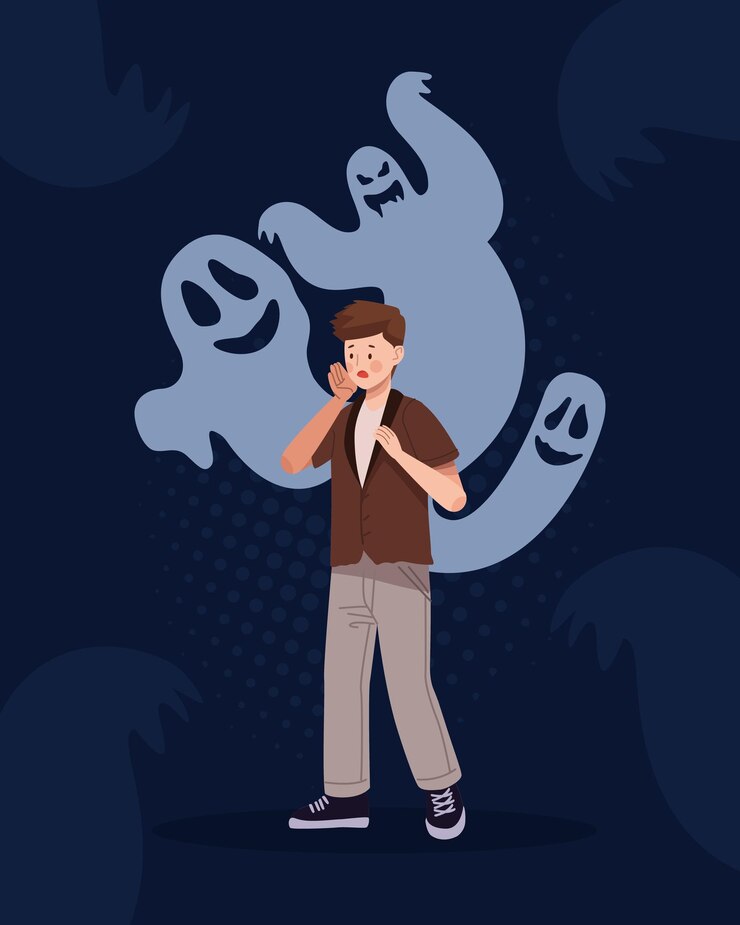
Imagine needing groceries but dreading the store — not because you dislike shopping, but because being away from home triggers panic. It's not just fear, it's fear of the fear itself — a self-reinforcing loop.
Why Agoraphobia Develops
Often triggered by panic attacks in public, the brain links certain places to past distress. Slowly, your world shrinks into "safe zones." Avoidance becomes habitual until home is the only place that feels secure.
✨ Surprising Insight
Many people with agoraphobia still go out — but only via "safe routes" or with trusted companions.
Types of Avoidance Behavior
🎧 Safety Objects: Carrying water, music, or medication.
🧍♂️ Companion Dependence: Going out only with someone familiar.
What Recovery Looks Like
Recovery doesn’t mean losing fear — it means learning to live with it. Each small step matters. Eventually, confidence grows, and fear loses control.
🕊️ Tiny Victories Matter
Walked outside for 5 minutes? Took one train stop alone? That's progress. Honor those steps.
Helpful Practices
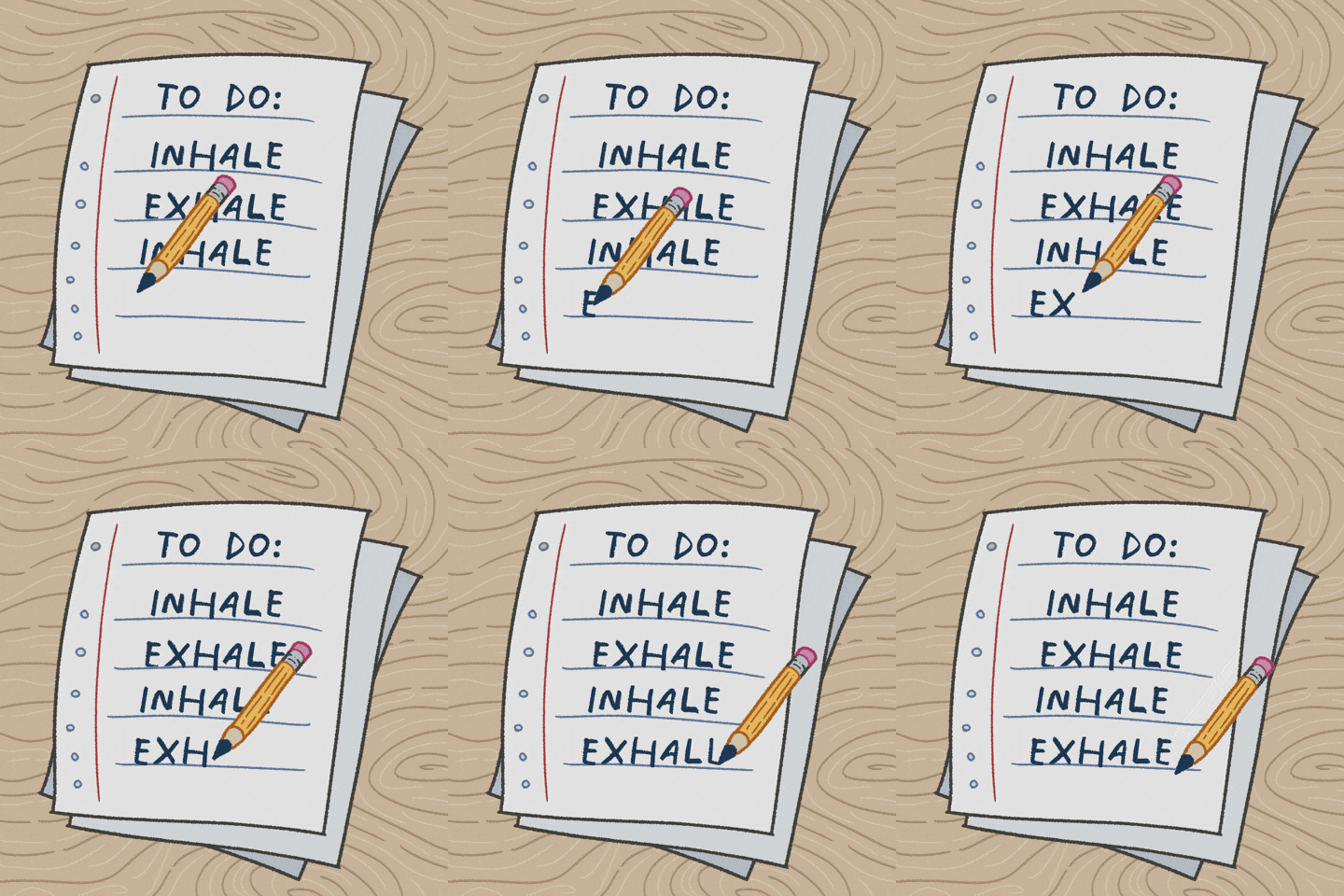
🌍 Grounding: Touch something cold. Name 5 things you see. Wiggle your toes.
📓 Journaling: Track wins, triggers, and patterns.
You Are Not Alone
Agoraphobia feels isolating, but healing is often social. Talk to someone. Join a group. The first step is connection.
